Simple kitchen and food habits for a cleaner routine
Integrate practical, effective steps into your domestic cooking spaces to maintain structural food safety, protect raw produce, and keep drinking water pristine.
Core Guidelines for Kitchen Organization
Maintaining structured daily systems drastically reduces household grime and preserves the natural quality of your family's daily nutrition.
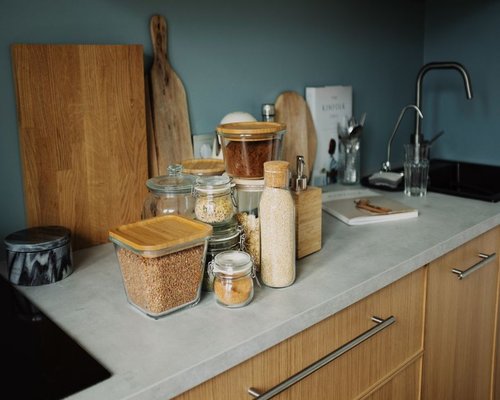
Meticulous Cross-Separation
Keeping raw items completely distinct from already cooked food is an essential kitchen habit. Dedicate independent chopping surfaces solely for raw poultry or vegetables, and ensure you use entirely separate utensils when carving fresh avocado slices or serving hot chapati.
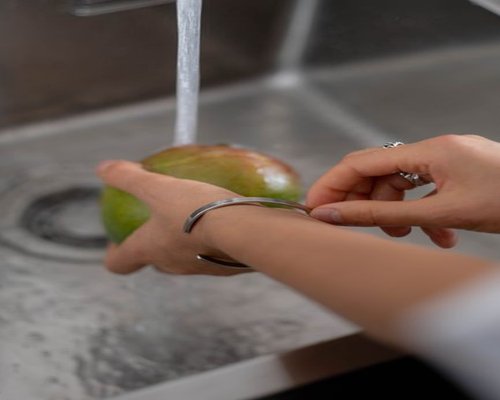
Rinsing Open-Market Goods
Leafy kales (sukuma wiki), tomatoes, and traditional grains purchased from vibrant market kiosks must be handled with care. Submerging them completely in a broad washbasin filled with safe water allows surface dust and earth residues to separate naturally before cooking begins.
Practical Application in East African Life
Adapting domestic hygiene strategies to fit our regional lifestyle ensures effortless execution and reliable outcomes.
Navigating Open-Air Kiosks
Open markets are key nodes for fresh food. To maintain maximum cleanliness, select firm, unblemished fruits, patronize vendors who keep produce organized off the bare earth, and always store your goods in clean, dedicated woven carrier bags for the journey home.
Hygienic Midday Lunchboxes
Assembling work or school lunches for family members requires diligent habits. Ensure all portable storage canisters are thoroughly cleaned daily with soapy water, let cooked rice or stews cool down before fastening lids, and include small hand-wiping cloths for their commute.
Frequently Asked Educational Inquiries
Clear, common-sense advice for managing standard domestic situations safely.
What is the most reliable way to secure home drinking water?
Bringing your domestic water to a rigorous, continuous rolling boil for at least one full minute is a stellar, time-tested approach. After boiling, transfer the water immediately into thoroughly sanitized, tightly covered dispensers to block airborne particles.
How should I organize cooked leftovers like stews or chapati?
Allow your freshly cooked meals to cool down completely to prevent steam moisture accumulation. Then, distribute them into clean containers and secure the lids firmly. This maintains freshness and prevents external household pests from reaching your food.
Why is hand hygiene emphasized right after public transit travel?
Commuting via busy regional matatus or boda bodas means constant contact with high-touch shared railings and upholstery. Washing your hands with soap up to the elbows right when you walk inside prevents bringing external grime directly onto your clean dinner tables.
What action is recommended if a relative feels consistently unwell?
If a family member encounters ongoing digestive distress, extreme lethargy, or specific body discomfort, do not depend on simple household adjustments. We strongly advise seeking a formal clinical review from a qualified health professional at an accredited facility.